
Ask five cocopeat buyers what “the right paperwork” means, and you’ll get five different answers. One means the phytosanitary certificate. Another means the lab report. A freight forwarder in Rotterdam might mean something else entirely — whatever their customs broker flagged last time a shipment got held at the port.
That confusion is exactly why cocopeat shipments from Indonesia get delayed. Not because the product fails inspection. Because the paperwork doesn’t match what the inspector expects to see.
This guide walks through what you actually need, both as the importer and as the exporter shipping it to you. CelebesAgro ships cocopeat from its own plantation in Indonesia (see our Cocopeat page for specs), and this is the same document conversation we have with buyers before every order.
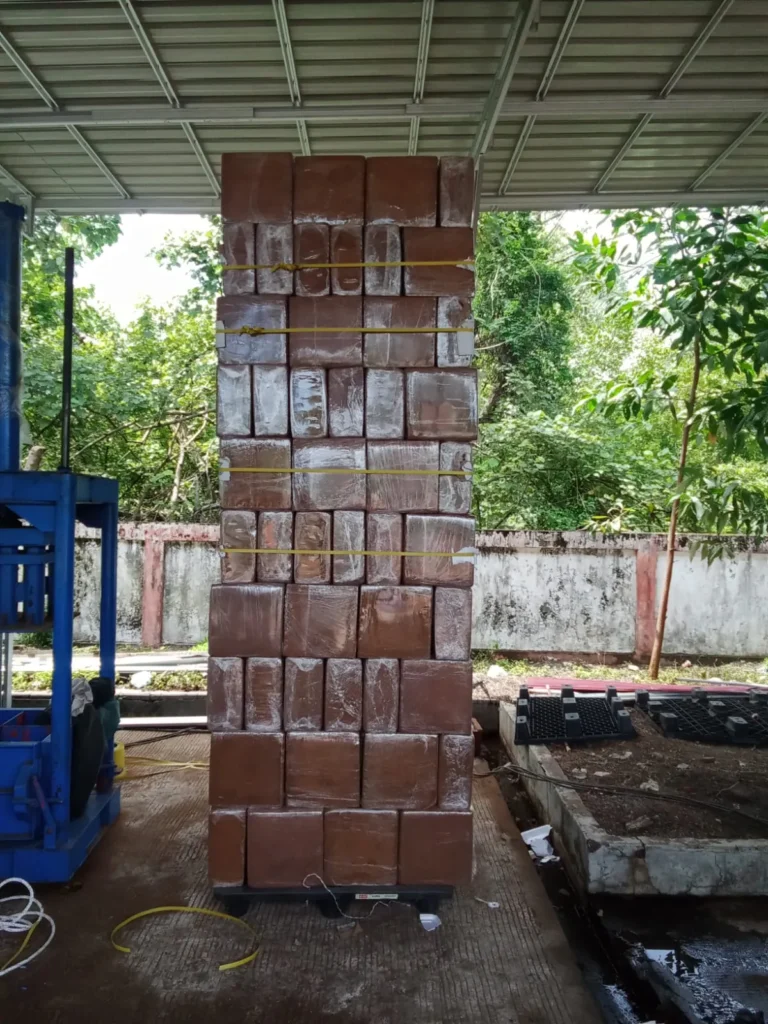
A standard cocopeat export from Indonesia needs five core documents: a Phytosanitary Certificate, a Certificate of Origin, a Commercial Invoice, a Packing List, and a Bill of Lading. If you’re sourcing for a certified-organic supply chain, add an Organic Transaction Certificate. Buyers requiring lab verification will also want a Certificate of Analysis covering EC and pH.
What Certificates and Documents Do You Actually Need?
Here’s what each one actually does, not just its name.
Phytosanitary Certificate
Cocopeat is a plant product, so most countries treat it the same way they’d treat soil or dried plant matter: as something that could carry pests. The phytosanitary certificate is issued by Indonesia’s plant quarantine authority (Badan Karantina, usually shortened to BARANTAN) after they inspect the shipment and confirm it’s free of regulated pests and contaminants. Without it, plenty of customs authorities won’t release the container at all. They’ll hold it for fumigation, re-inspection, or send it back.
Certificate of Origin
This proves where the cocopeat was actually produced. It matters for two reasons: customs uses it to confirm the product’s origin claim, and some trade agreements use it to decide whether a shipment qualifies for a lower duty rate. Indonesian chambers of commerce issue these, and the details on it (exporter name, product description, weight) need to match the invoice and packing list exactly. (More on why that “exactly” matters in a minute.)
Commercial Invoice
The financial record of the sale: buyer, seller, product description, quantity, unit price, total value, currency, and the agreed trade term (FOB, CIF, whatever you negotiated). Customs uses this to assess duty. Banks use it for payment. If your invoice says “coco peat” and your certificate of origin says “coir pith,” don’t be surprised if someone at customs asks a question.
Packing List
Where the invoice tells you what was sold, the packing list tells you how it was packed: number of bags or blocks, weight per unit, net and gross weight, container number, and any marks or labels on the cargo. Customs and the receiving warehouse both use this to physically verify the shipment against paper.
Bill of Lading
Issued by the shipping line, this is proof the carrier actually received the cargo, and it’s the document that lets you, or your bank under a letter of credit, take possession of the shipment at the destination port. It needs to match the invoice and packing list on quantity and description. Consistency is the theme running through every document here.
Organic Transaction Certificate (if you need certified-organic supply)
If your downstream buyer is a certified-organic grower, a general “this is organic” claim on a datasheet isn’t enough. You need a Transaction Certificate tied to that specific shipment, issued by an accredited certifier. ECOCERT and Control Union both operate in Indonesia. A supplier who can only offer a copy of their annual organic certificate, not a lot-specific TC, isn’t actually giving an organic buyer what they need.
Certificate of Analysis (EC and pH)
Not every shipment needs this. But if you’re buying for propagation or a sensitive crop, you’ll want lab confirmation of electrical conductivity (EC) and pH before you commit to a container load, not after it arrives and the numbers surprise you.
What CelebesAgro Prepares as the Exporter
We’re not neutral on this topic. We deal with these documents on every shipment, so here’s how we handle our side of it.
CelebesAgro grows cocopeat’s raw material, coconut husk, on our own 1,300-hectare plantation, rather than buying loose material from whoever has stock that week. That matters for documentation because traceability starts at the source: when a Certificate of Origin says the product came from Indonesian coconut husk, we can actually back that up with a supply chain we control, not a patchwork of smallholder purchases we’re hoping is consistent.
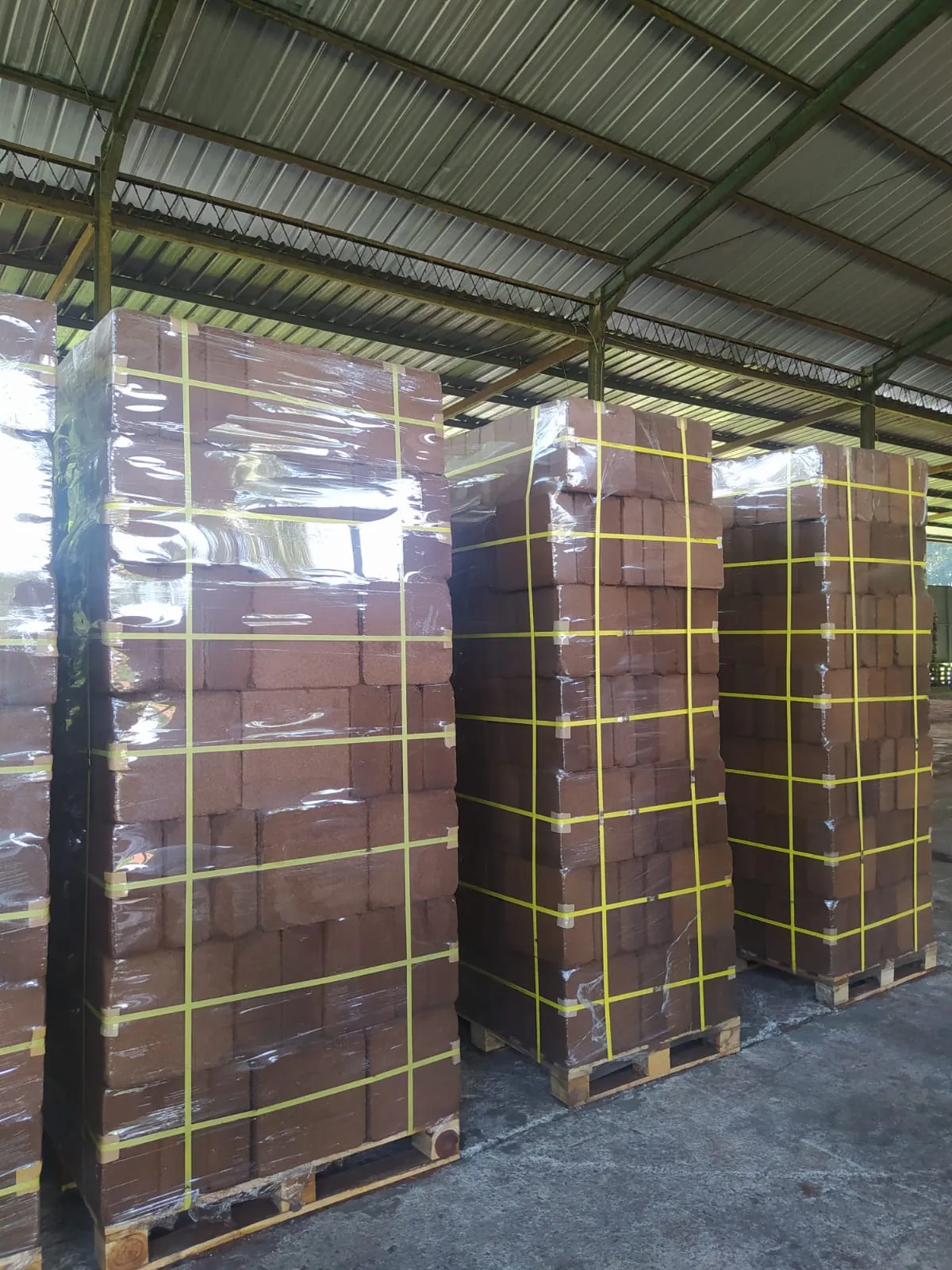
On the inspection side, we work with Sucofindo for pre-shipment quality and quantity verification. It’s the same body most Indonesian exporters use for third-party confirmation that what’s on the packing list is what’s actually in the container. At current capacity, we can supply around 10 containers a month, which means our documentation process has to be repeatable, not improvised per order.
We used to assume buyers cared most about the numbers on the spec sheet. Turns out it’s the paper trail around the numbers that decides whether a shipment clears customs on time or sits at port for a week. Practically, that means every container gets sealed at loading, and the seal number gets logged against the packing list before the truck leaves the yard. It sounds like a small thing. It’s the detail that saves you an argument with your customs broker three weeks later, when someone asks whether the container was tampered with in transit.
If you want the product specs behind all this (block sizes, EC targets, packing formats), those live on our Cocopeat product page.
What You Still Need to Arrange on Your End
Here’s the part suppliers don’t always say clearly enough: some of this paperwork is on you, not us.
Import permits and licenses. Plenty of countries require an agricultural import permit or a registered importer license before a shipment of plant-based growing media can even clear customs. The exporter has no way to obtain this on your behalf, because it’s tied to your business registration in your own country.
Biosecurity and plant quarantine clearance. Even with a valid phytosanitary certificate from Indonesia, your destination country’s own plant protection agency may run its own inspection on arrival. Requirements shift, sometimes year to year. So the honest answer is: check with your local plant protection agency or your customs broker before the shipment leaves port, not after.
Coordinating your customs broker. Someone on your end needs to have the full document set in hand before the container arrives, matched against what your broker’s system expects. A supplier can hand you a perfect Certificate of Origin; it still won’t help if your broker gets it two days after the ship has already docked.
How the Documentation Process Works, Step by Step
Most of the confusion around cocopeat certificates isn’t about any single document. It’s about timing. Here’s the order things actually happen in, from first inquiry to loaded container:
- Before quotation: You specify what you need: product spec, target EC, packing format, destination port, quantity, and trade term. This is also when to say if you need an Organic Transaction Certificate or lab-verified EC/pH, because it changes production and lead time.
- Before production: Both sides confirm the spec sheet, packing details, any labeling or marking requirements, and whether a pre-shipment sample or lab test is needed. Skip this step and you’ll find out about a mismatch after the cocopeat is already compressed into blocks.
- Before loading: Production schedule, packing confirmation, container plan, and whether you require loading photos get locked in. If you want photographic evidence of the container being sealed, and for a first order with a new supplier you probably should ask for it, this is when to say so.
- After loading: Commercial invoice, packing list, loading photos if requested, and the Bill of Lading get finalized and sent. The Certificate of Origin and phytosanitary certificate typically follow within a few working days, once the shipment has cleared its own inspection.
Common Documentation Mistakes That Cause Customs Delays
We used to think buyers’ delays were mostly about slow customs offices. After enough shipments, the pattern became obvious: most delays trace back to one of four paperwork issues, not the customs office itself.
Product description mismatch. The invoice says “cocopeat block,” the Certificate of Origin says “coco coir pith,” and the packing list says “coco peat compressed.” To you, that’s the same product. To a customs officer scanning for red flags, that’s three different descriptions on three supposedly matching documents, and it’s exactly the kind of inconsistency that gets a container pulled for manual inspection.
Outdated or missing lab results. If a buyer asked for a Certificate of Analysis and the supplier sends one from a shipment six months ago, that’s not verification. It’s a guess dressed up as a document.
EC or moisture readings that don’t match the batch. This happens more than suppliers like to admit: the spec sheet quotes one number, and the actual shipped batch tests differently. If a buyer runs their own check on arrival and the numbers don’t line up with the paperwork, that’s a dispute, not a delay. And it’s much harder to resolve after the container has already been unloaded.
Wrong exporter legal entity name. A certificate issued to one company name, on an invoice from a different entity, is enough to stall a shipment at customs until someone sorts out why the names don’t match, even when it’s an honest clerical error on the supplier’s side.
Here’s what that actually costs, concretely: a container flagged for manual inspection over a document mismatch can sit at port for anywhere from a few days to two weeks while the paperwork gets corrected and resubmitted. At that point you’re paying demurrage (the per-day fee the port charges for a container that hasn’t moved) on top of whatever delay hits your own production schedule downstream. None of that is a product problem. It’s a five-minute clerical fix that didn’t get caught before the container left Indonesia.
Reading the EC and pH Numbers on Your Certificate
Two numbers show up on almost every cocopeat spec sheet and lab report: EC (electrical conductivity) and pH. As a general industry benchmark, not a claim about any single shipment, buyers typically look for EC below 0.5 mS/cm and pH in the 5.5–6.8 range. EC that’s too high usually means residual salts weren’t washed out during processing, which can burn seedlings or young plants. pH outside that range can lock out nutrients your crop needs, even if everything else about the cocopeat looks fine.
Those two numbers alone don’t tell the whole story, though. Moisture content and bulk density matter too, and both affect how the product performs once it’s rehydrated. If you want the longer breakdown, including what a block’s compression ratio tells you about expansion once it’s rehydrated, we cover reading a full cocopeat spec sheet in a separate guide.

If you’re putting together a document checklist for your own import, or you just want to know what a CelebesAgro shipment’s paperwork actually looks like before you commit to an order, message us on WhatsApp and we’ll walk through it with you.
Frequently Asked Questions
What is a phytosanitary certificate and why does cocopeat need one?
It’s a certificate issued by Indonesia’s plant quarantine authority confirming a shipment has been inspected and is free of regulated pests and contaminants. Cocopeat needs one because most countries classify it as a plant-derived product, the same category as soil, mulch, or dried plant matter, and customs treats that category as a biosecurity risk until proven otherwise.
Does cocopeat need an organic certificate?
Only if your supply chain needs to be certified organic, for example if you’re supplying growers who are themselves certified and need to document every input in their production. If that’s not your situation, a standard Certificate of Analysis and phytosanitary certificate are enough. If it is, ask for a shipment-specific Transaction Certificate, not a copy of the supplier’s general annual certification.
How long does it take to get an export certificate for cocopeat?
For a supplier with organized records (moisture logs, treatment history, consistent packing), the phytosanitary certificate can usually be issued within a few working days of the shipment being ready for inspection. It takes longer if the quarantine office needs to schedule a physical inspection during a busy export season, so build a buffer into your shipping timeline rather than assuming next-day turnaround.
What happens if my cocopeat shipment doesn’t have the right paperwork?
At minimum, customs holds the container until the missing or corrected document arrives, which means demurrage charges start accruing. In more serious cases, like a product description that doesn’t match across documents, the shipment can get flagged for physical re-inspection, which adds more time and, in some countries, an inspection fee on top of the delay.
Is a Certificate of Origin required for every cocopeat shipment?
Almost always, yes. Even where the destination country doesn’t offer a preferential duty rate for Indonesian goods, customs still typically wants proof of origin to process the import declaration. Skipping it isn’t really an option. It’s really a question of whether you also need the extra paperwork for a trade-agreement duty reduction on top of it.