
Cocopeat has become the default growing medium for a lot of modern horticulture — greenhouses, plant nurseries, and hydroponic systems all lean on it for the same reason: it holds water and air in roughly the ratio roots actually want. But “cocopeat” isn’t one standard product, and the supplier you choose affects your crop more than the price sheet suggests. Two blocks that look identical on a pallet can behave completely differently once they’re hydrated and a crop is growing in them.
What Is Cocopeat, Exactly?
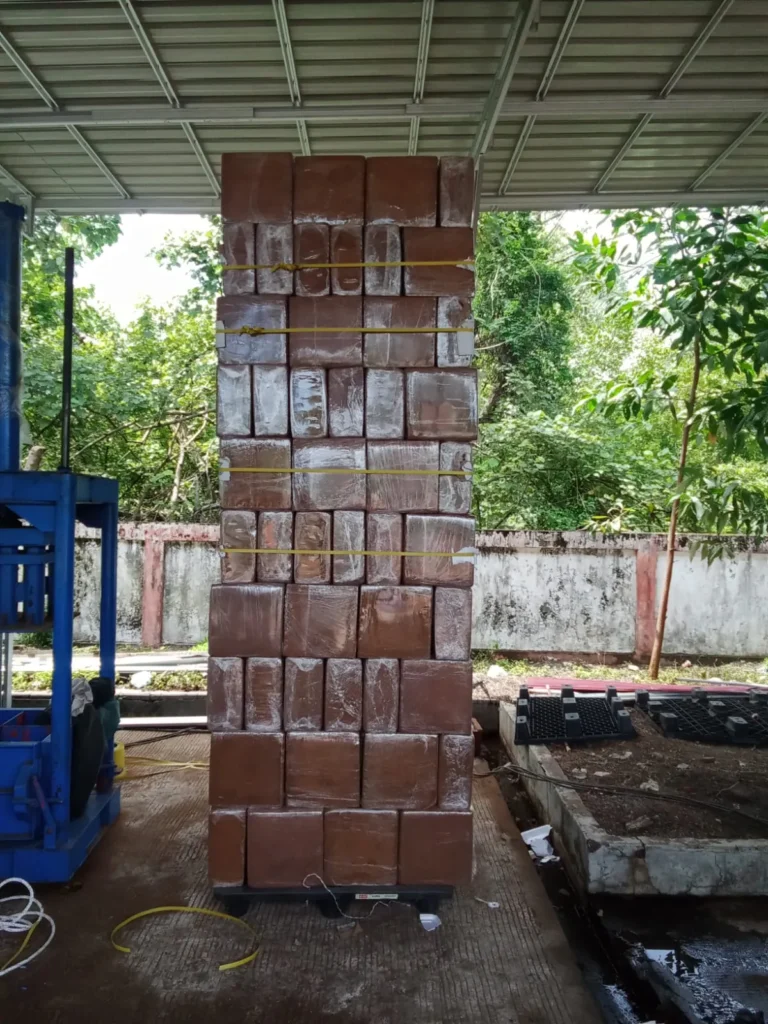
Cocopeat is a natural, 100% organic byproduct of coconut fiber extraction. Once the long fibers are pulled from the coconut husk for use in rope, mats, and brushes, what’s left behind is a fine, spongy pith. That pith is dried, screened, and compressed — this is cocopeat. It’s a renewable alternative to peat moss, which is harvested from peat bogs that take centuries to regenerate; cocopeat is a byproduct of an existing supply chain, not an extracted resource.
Cocopeat vs. Other Growing Media
Growers switching media for the first time usually want to know how cocopeat stacks up against the alternatives already on the market:
| Growing Medium | Source | Water Retention | Typical Risk |
|---|---|---|---|
| Cocopeat | Byproduct of coconut fiber processing | High | Salt/EC imbalance if unwashed or unbuffered |
| Peat moss | Mined from bogs, centuries to regenerate | High | Environmental sourcing concerns, sold out in some regions |
| Perlite | Mined volcanic glass, heat-processed | Low, drains quickly | Dust during handling; not viable as a standalone medium |
| Rockwool | Manufactured from spun basalt fiber | Very high | Non-biodegradable, disposal restricted in some markets |
None of these media is universally “better” — the right choice depends on your crop, irrigation system, and disposal constraints. Cocopeat’s main advantage over peat moss is regeneration speed: fiber extraction happens continuously wherever coconuts are processed, while peat bogs take centuries to re-form. Its main advantage over rockwool is biodegradability, which matters increasingly for growers facing disposal restrictions in some markets.
Why Growers Choose It
- Water retention. Cocopeat holds significantly more water relative to its volume than standard garden soil, reducing irrigation frequency.
- Aeration. Its fibrous structure keeps air pockets open around roots even when saturated, which is exactly what soil compaction destroys.
- Consistency. A well-processed cocopeat block behaves the same batch to batch, which matters a lot in commercial nurseries running standardized feeding schedules.
- Sustainability. It’s a byproduct, not a mined resource — a meaningful difference for growers marketing themselves as sustainable.
How Cocopeat Is Processed: Washing, Buffering, and Compression
The difference between cocopeat that performs consistently and cocopeat that causes unexplained crop problems usually comes down to processing, not raw material. After the pith is separated from the long fiber, it typically goes through three additional steps before it’s ready to ship: washing to remove excess soluble salts naturally present in coconut husk; buffering with a calcium nitrate solution, which displaces the potassium and sodium ions that would otherwise compete with calcium and magnesium uptake once plants are growing in it; and drying to a stable moisture content before being compressed into blocks, briquettes, or loose bales for shipment. Skipping or shortcutting the buffering step is one of the most common causes of stunted-growth complaints traced back to cocopeat — the medium looks and feels identical either way, so the problem only shows up once a crop is already growing in it.
Reading a Cocopeat Spec Sheet: EC and pH
A legitimate cocopeat supplier should be able to hand you numbers, not just adjectives. Electrical conductivity (EC) measures dissolved salts in the medium — unwashed, unbuffered cocopeat can test well above 2.0 mS/cm, high enough to stress seedlings, while properly processed cocopeat typically tests below 0.5 mS/cm. pH matters too: cocopeat is naturally close to neutral, generally in the 5.5–6.8 range, which suits most greenhouse crops without heavy correction. If a supplier can’t produce recent EC and pH figures for the batch you’re buying, that’s a more useful red flag than anything on their marketing page.
Blocks, Briquettes, or Loose Bales: Which Format Fits Your Operation?
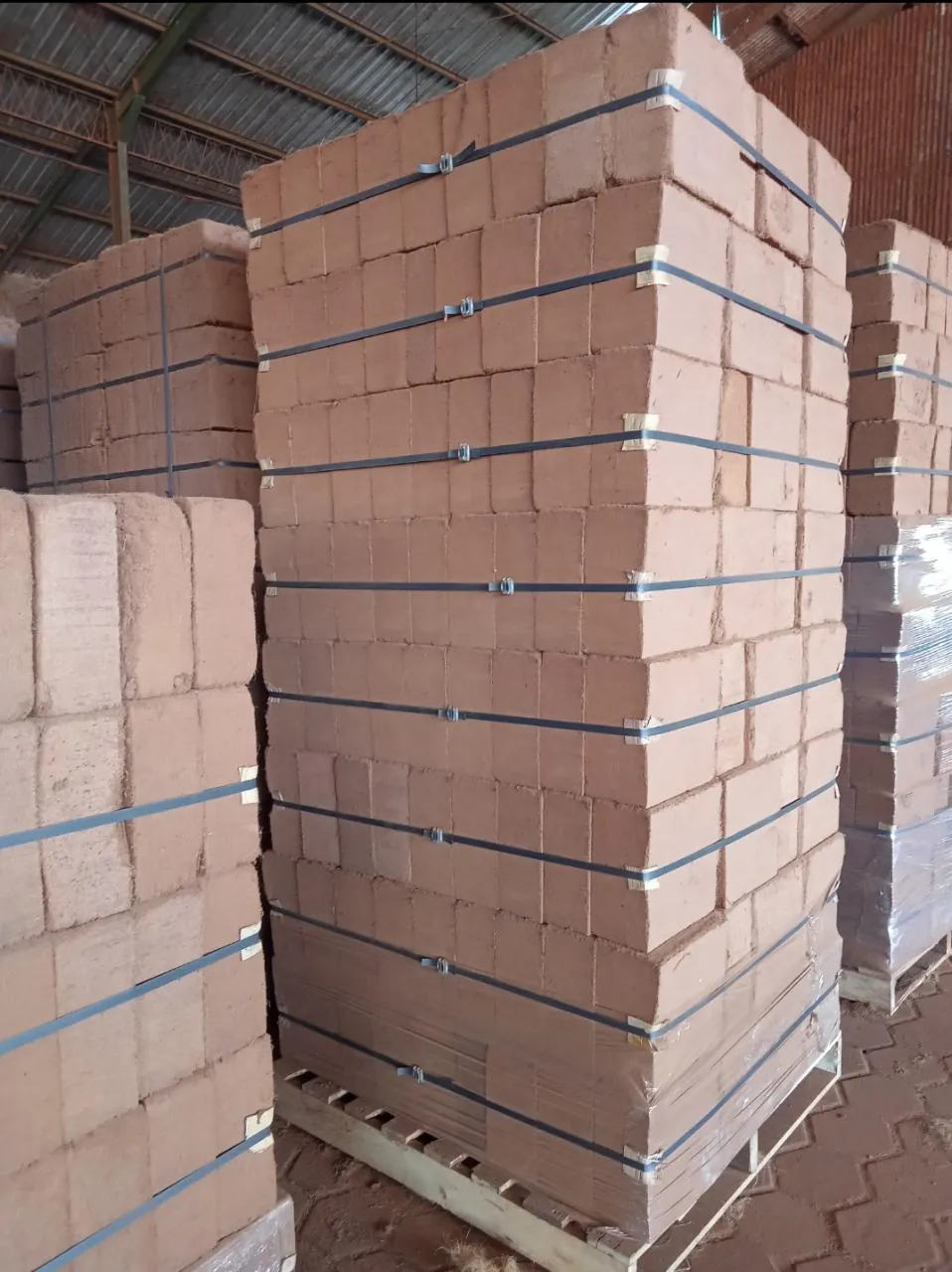
Cocopeat ships in a few standard formats, and the right one depends more on your handling setup than on the product itself. Compressed blocks are the most common export format — dense and space-efficient in a container, but they need to be broken up and rehydrated before use, which takes labor and time on a schedule. Briquettes are smaller, pre-portioned units that rehydrate faster and suit growers who mix small batches on demand rather than one large tank at a time. Loose, pre-expanded bales cost more to ship per unit of usable volume — you’re paying to freight water weight and air — but they skip the rehydration step entirely, which matters for operations without the labor or tank space to soak blocks on-site. None of the three is the “correct” format in the abstract; it’s a trade-off between shipping efficiency and on-site handling capacity.
Storing Compressed Blocks Before You’re Ready to Use Them
Compressed cocopeat blocks are stable in storage, but “stable” isn’t the same as “indefinite.” Blocks should be kept dry and off direct ground contact — a concrete floor or pallet works, bare soil doesn’t — since prolonged contact with moisture can trigger premature expansion or mold growth inside the compressed block before you’re ready to use it. Stacking height matters too: blocks stacked too high for too long can develop uneven density, which shows up later as inconsistent rehydration across a batch. Most suppliers rate their compressed blocks for six to twelve months of dry storage, but that number is worth confirming directly rather than assuming, especially if you’re importing ahead of a planting season rather than ordering just in time.
Common Mistakes When Switching to Cocopeat
- Overwatering. Cocopeat holds more water than the soil-based mixes many growers are used to, so an irrigation schedule copied straight from a soil program often waterlogs roots in the first few weeks.
- Treating “washed” and “buffered” as the same claim. They’re two different processing steps — ask which one (or both) a supplier is actually claiming, since a merely washed block can still carry a potassium imbalance that a buffered one wouldn’t.
- Assuming all blocks expand the same. Compression ratio varies by supplier; a block rated to expand into 70 liters from one supplier may only reach 60 from another, which throws off volume planning on large orders if you don’t confirm the ratio in advance.
What to Actually Check Before You Order
Most buyers compare cocopeat suppliers on price per block or price per ton. That’s the wrong starting point. Ask these questions first:
- Is it washed and buffered? Raw cocopeat can carry excess salts and naturally high potassium that competes with calcium and magnesium uptake in plants. Ask directly whether the product has been washed and calcium-nitrate buffered before compression.
- What’s the expansion behavior? A compressed block should expand predictably when hydrated. Ask for the expansion ratio and rehydration time your team should expect.
- Is there a quality certificate? A third-party inspection certificate — Sucofindo is the standard reference point for Indonesian exporters — gives you something to hold the supplier to if a shipment doesn’t perform as expected.
- Packaging format. Confirm whether the cocopeat ships as compressed blocks, briquettes, or loose bales — this affects storage space, rehydration labor, and freight efficiency differently depending on your setup.
- Can they actually supply at your scale, every month? A grower running a continuous nursery program needs a supplier who can commit to a fixed monthly volume, not one who can fill a single large order and then go quiet for two months.
Where the Demand Is Coming From
Cocopeat exports out of Indonesia move toward greenhouse and hydroponic operations across a range of markets — commercial nurseries in Australia, floriculture operations across parts of the Middle East, and greenhouse growers in East Asia are all active buyers of Indonesian cocopeat, drawn by the same combination of water retention and consistent supply. If you’re evaluating suppliers for one of these markets, ask specifically how their product performs in your climate and irrigation setup, not just how it performs in general.
Where CelebesAgro Fits In
CelebesAgro’s cocopeat is a byproduct of our own coconut fiber extraction — not bought in loose from third-party processors — which means we control what goes into the block from the start. Combined with our 1,300-hectare plantation and a standing capacity of 10 containers per month, we’re built for growers who need a supplier they can plan a season around, not just fill one order with. Because we control the process end to end, we can also provide EC, pH, and expansion data alongside your Sucofindo inspection certificate — the specifics buyers actually need to compare, not just adjectives.

Planning a shipment? See our Cocopeat specifications, or chat with us directly on WhatsApp.