Most first-time buyers don’t struggle to find an Indonesian coconut exporter. They struggle to know what happens after the first message: what to ask for, who pays for the sample, whether to send money before or after the cargo ships. This guide walks through a first order from inquiry to delivery, so you can compare suppliers on the same footing and avoid the usual surprises.
A first order from an Indonesian exporter usually follows eight steps: define the product and volume, request a quote with your specification, test a sample, agree the Incoterm and payment terms, sign a pro-forma invoice or contract, confirm loading and inspection, review the shipping documents, then inspect on arrival. Payment terms and documents are where most delays and disputes start.
The First-Order Process, Step by Step
- Define what you need. Product, grade or size, packaging format, and rough volume per shipment. A supplier can’t quote sensibly against “some coconuts.”
- Request a quote against that specification. Ask for the Incoterm (FOB or CIF), the port of loading, the minimum order, and the lead time from confirmed order to loading.
- Order and test a sample. Samples tell you more than any spec sheet. More on that below.
- Agree payment terms and Incoterm in writing. This is the step buyers rush and later regret.
- Sign a pro-forma invoice or sales contract. It should repeat the specification, quantity, price, terms and loading window.
- Confirm loading and inspection. Ask who inspects, when, and what you receive as proof.
- Review the shipping documents before paying the balance. Names, quantities and descriptions must match the contract.
- Inspect on arrival and keep a retained sample. If a dispute comes up, a sealed sample from the shipped lot is your evidence.
Samples: What to Ask For
Sample policies vary, and there’s no industry standard. Many Indonesian suppliers offer samples but expect the buyer to cover the cost, usually the courier. Some ask for payment before sending. Whichever applies, ask three things.
First, is the sample from a production lot or hand-picked? A beautiful sample followed by an average shipment is the oldest trick in commodity trading, and the fix is simple: ask which lot it came from and whether the shipment will match it. Second, does the sample come with the same specification the quote used? Third, can the supplier keep a matching sample on file for comparison when the cargo arrives?
For bulky or perishable products, a sample is also a rehearsal. Pay attention to how the supplier packs it, how quickly they respond, and whether the paperwork is clear. Those habits carry over to the full shipment.
Payment Terms: T/T, L/C and the 50/50 Split
Three arrangements show up repeatedly in Indonesian supplier listings.
Telegraphic transfer (T/T)
A bank transfer, usually split. A common pattern in coconut listings is 50% when the order is confirmed and the remaining 50% against a copy of the bill of lading. It’s fast and cheap, but you’re trusting the supplier with an upfront deposit, so the supplier’s track record and documents matter more than the price.
Letter of credit (L/C)
Your bank promises to pay the supplier once the supplier presents the documents the L/C specifies. It protects both sides, which is why exporters’ guides often recommend it for large or first-time orders. The trade-off is cost and strictness: banks reject documents over small mismatches, and an L/C takes time to open.
Documents against payment and other options
Some listings also mention documents against payment (D/P), where the bank releases shipping documents once you pay. Whether it suits you depends on your bank and your risk tolerance. If you’re unsure, ask a trade-finance advisor before committing, because the right answer depends on order size and your relationship with the supplier.
One rule applies whichever route you pick: the payment terms should be written into the contract, not just agreed over chat.
FOB or CIF: Who Arranges the Shipping
FOB means the supplier’s price covers the goods up to loading at the Indonesian port, and you book ocean freight. CIF includes freight and insurance to your destination port. FOB gives you control and often a lower total if you already have a forwarder. CIF is simpler for a first import because one party handles the shipping. Ask for both quotes and compare like with like. Our guide to what drives cocopeat wholesale price shows the same comparison in detail.
Documents and Destination Requirements
Every importing country sets its own rules, and they change. Common documents for agricultural and plant-based goods include a commercial invoice, a packing list, a bill of lading, a certificate of origin and a phytosanitary certificate. Your country’s customs or plant-health authority may ask for more.
The practical approach is to tell your supplier the destination at the very start, ask what they can provide, and confirm the list with your customs broker. A supplier who asks about your destination early is usually one who has shipped to similar places. For product-specific detail, see our guides to cocopeat import certificates, semi husked coconut export documentation and coco bristle export documentation.
Red Flags in a First-Time Supplier
- A price with no specification behind it, or a spec that changes between messages.
- Pressure to pay 100% upfront before any sample or document.
- No clear answer on where the product is grown or processed. A broker can still be a good supplier, but you should know it.
- Documents whose names, quantities or descriptions don’t match the contract.
- Refusal to provide a sample, or a sample that differs from the quoted specification.
What to Confirm Before You Send Any Money
Run through this list once the quote and sample look right. Each item takes a message to settle, and each one has caused a dispute for somebody:
- The legal name and address of the selling company, matching the name on the invoice and the bank account you’ll pay into.
- The product description, quantity and packaging, written the same way in the quote, the contract and the invoice.
- The Incoterm and named port, for example “FOB” followed by the loading port, not just “FOB.”
- The loading window, and what happens if it slips.
- Who arranges and pays for inspection, and what report or certificate you receive.
- The documents you’ll receive, in what form (original or copy), and when.
- What happens if the cargo doesn’t match the specification: replacement, credit or refund, and how that’s decided.
Bank details deserve their own caution. Confirm them by a second channel, such as a phone call, before the first transfer. Payment-redirect fraud targets exactly this stage of a first order.
Start Small, or Start with a Full Container?
Buyers new to a supplier often ask whether to begin with a trial order. There isn’t one right answer, but there is a trade-off worth understanding. Container-scale orders usually get the best price per unit, because freight and handling are spread over more product. A smaller trial costs more per unit, but it lets you test the supplier’s packing, paperwork and communication before you commit real volume.
A sensible middle path is to treat the sample as the quality test and the first container as the process test. If both go well, you have what you need to plan regular shipments. If you’d rather not wait for a container-sized commitment, ask the supplier directly what options exist for a first order, because the answer depends on the product and the current schedule.
Common First-Time Buyer Mistakes
The mistakes are rarely dramatic. They’re small gaps that compound. Comparing a CIF quote from one supplier against an FOB quote from another and concluding the second is cheaper. Accepting a verbal spec that never makes it into the contract. Paying a deposit before seeing any document. Opening an L/C with terms the supplier can’t meet, then waiting weeks for amendments. And skipping the retained sample, which leaves you with no evidence if the shipment disagrees with the quote.
None of these take specialist knowledge to avoid. They take a checklist and the willingness to slow down for a day before money moves.
How CelebesAgro Handles a First Order
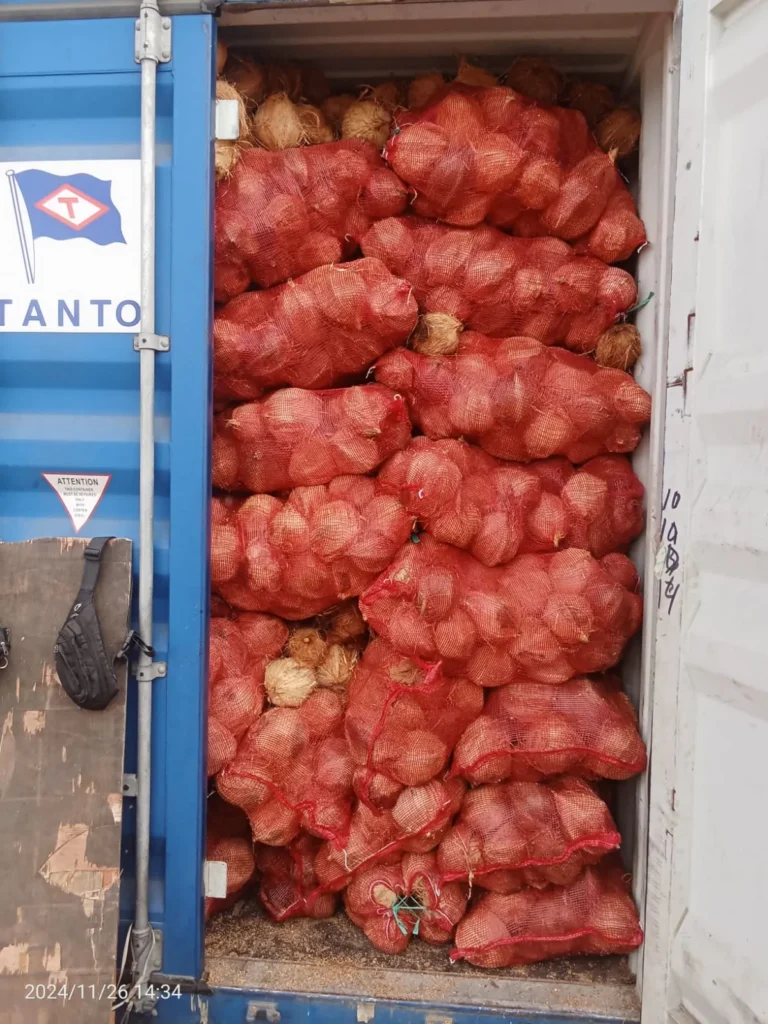
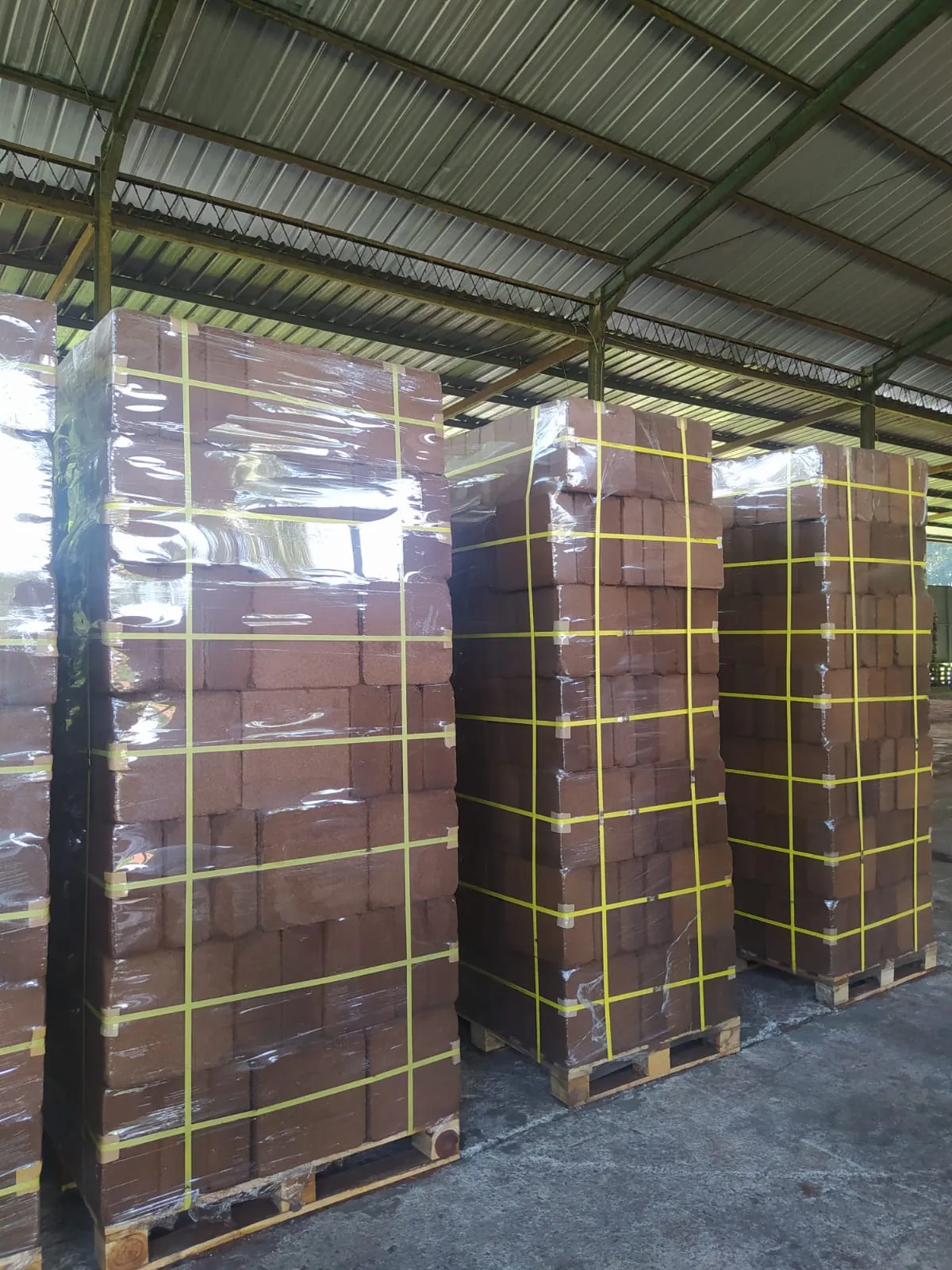
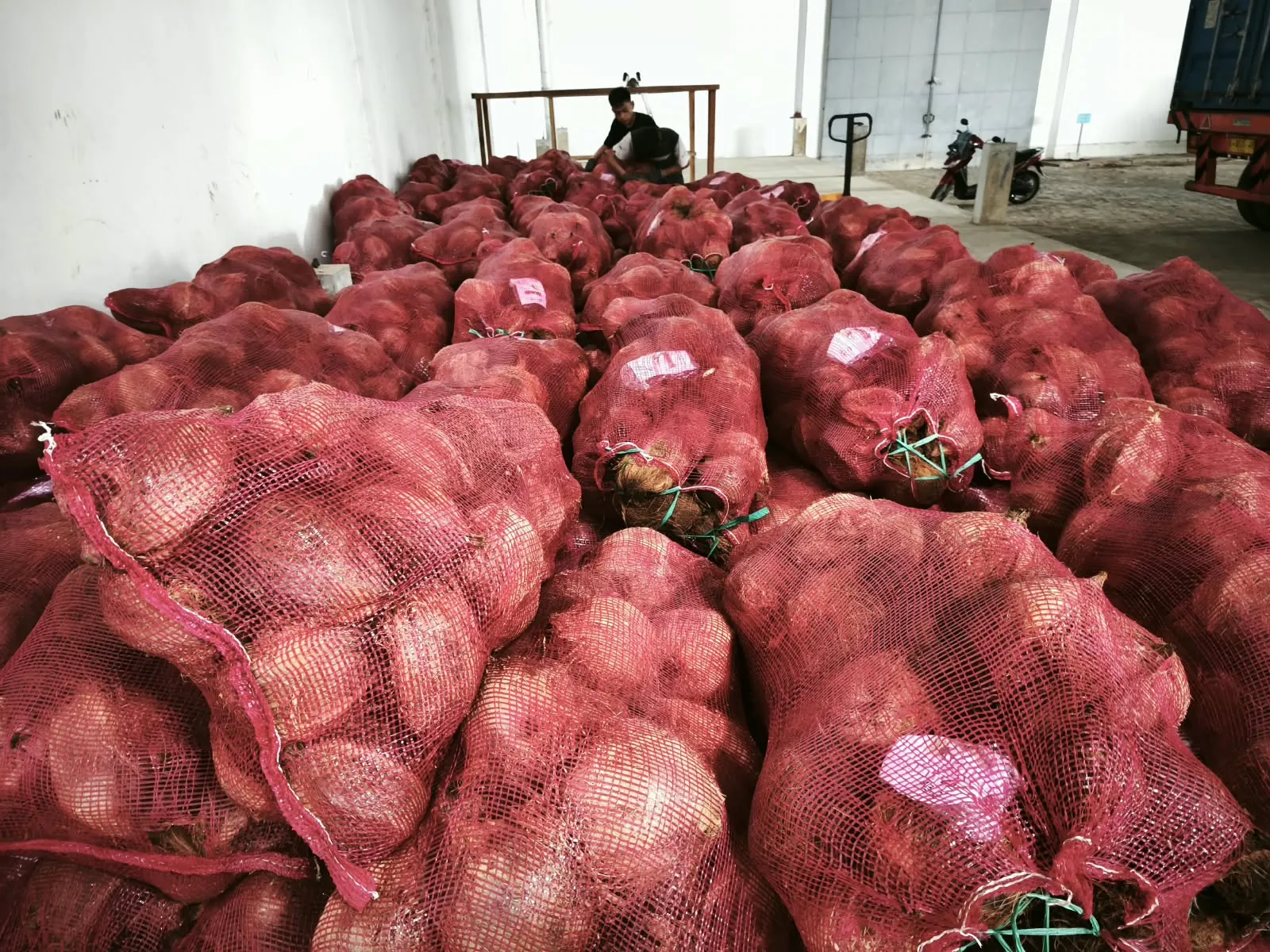
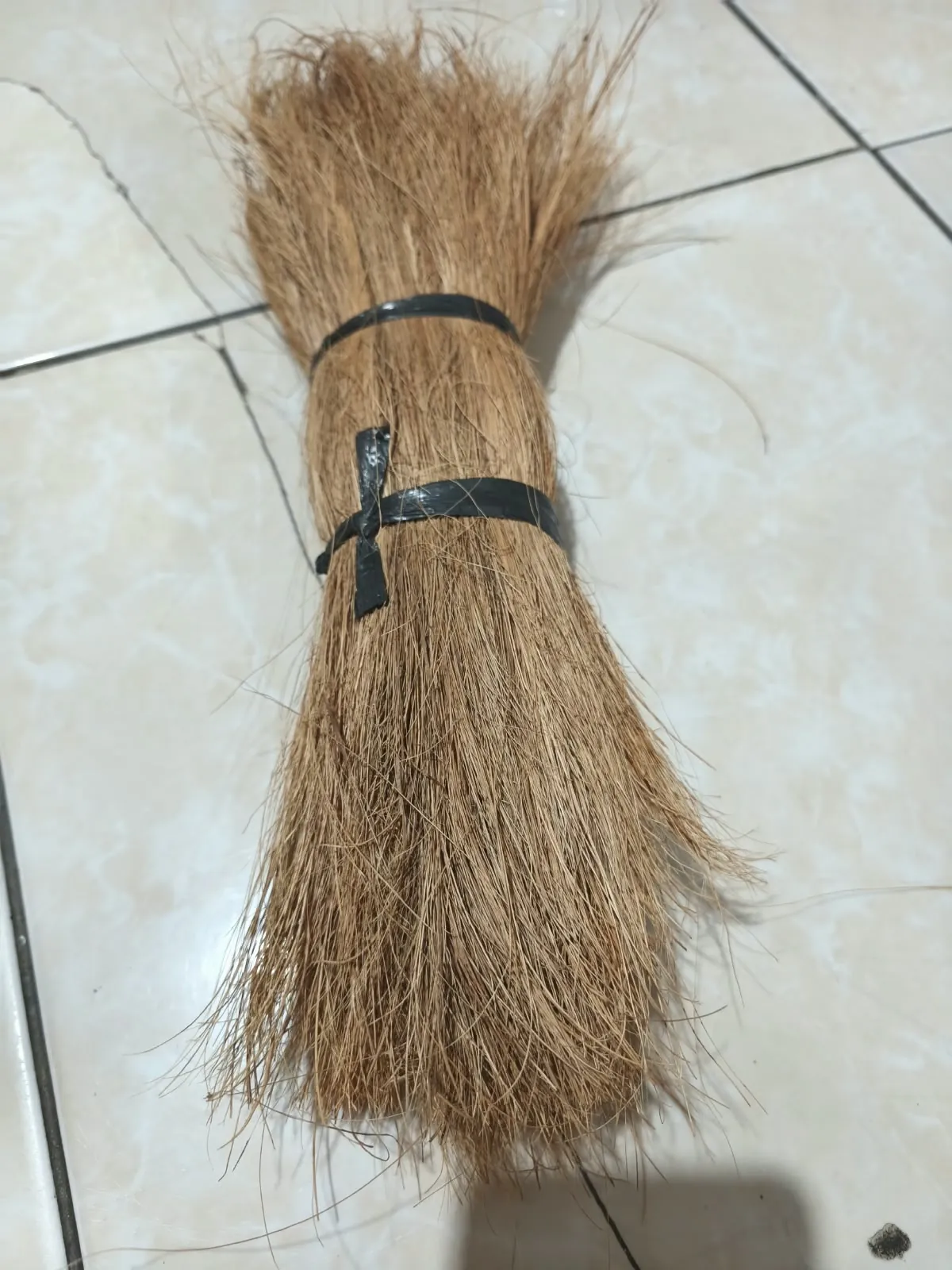
CelebesAgro supplies semi husked coconut, cocopeat and coco bristle from our own 1,300-hectare plantation in Indonesia, with a standing supply capacity of 10 containers a month. We hold Sucofindo certification, and inspection and documentation are adjusted to each destination.
We work with buyers from any country. Requirements differ from market to market, so tell us where you’re shipping to and what your country asks for, and we’ll work to meet them. Sample availability, payment terms and shipping terms are agreed per order, which means the fastest way to get accurate answers is a direct message with your product, volume and destination port.
Chat with us on WhatsApp and we’ll walk you through the first order.
Frequently Asked Questions
How do I import coconut products from Indonesia for the first time?
Define your product and volume, request a quote with your specification, test a sample, agree the Incoterm and payment terms in writing, then review the shipping documents before paying the balance. Confirm your country’s import requirements with your customs broker at the start.
What payment terms do Indonesian coconut exporters accept?
Supplier listings commonly show T/T, often split 50% on order confirmation and 50% against a copy of the bill of lading, and L/C. Terms are negotiated per order, so confirm them in the contract.
Do exporters provide free samples?
Policies vary. Many suppliers send samples but ask the buyer to pay the courier cost, and some require payment first. Ask about the policy before you request one.
Should I choose FOB or CIF for my first order?
FOB works well if you already have a freight forwarder. CIF is simpler for a first import because the supplier arranges shipping. Ask for both quotes and compare them like for like.
Can I order from CelebesAgro if my country isn’t listed on your site?
Yes. We work with buyers from any country and will work to meet the requirements of your destination. Message us your product, volume and destination port on WhatsApp to get started.